 Updated on
 By Robins Dorvil
Table of Contents

The modern sales landscape has officially shifted. With the rise of remote teams and hybrid work, relying on legacy desktop-only tools is no longer a viable option, but a bottleneck. Today's high-velocity teams require a sales mobile app that travels with them, ensuring that critical data is never more than a pocket-reach away.
As mobile app sales statistics continue to show a direct correlation between tool accessibility and quota attainment, it's clear that a mobile app for sales isn't just a luxury, it's a competitive necessity.
Now that we've established why mobile accessibility is critical, let's dive into the specific features that turn a standard tool into a powerhouse.
But first…
Key Takeaways
- A sales mobile app is no longer a luxury but a competitive necessity that drives a 15% increase in productivity by allowing reps to manage CRM data and close deals on the go.
- Leading apps empower teams with contact and lead management, real-time pipeline visibility, and proximity-based tools to identify and target the most promising prospects instantly.
- Integrated sales forecasting and real-time analytics provide critical mobile app sales statistics, helping businesses plan staffing levels and marketing strategies with precision.
- Effective mobile app sales strategies rely on seamless integration with existing CRM systems and communication tools, eliminating manual data entry and optimizing workflows.
- By utilizing mobile-first features like voice-to-text notes and integrated e-signatures, sales reps can manage the entire "quote-to-cash" cycle during a single face-to-face meeting.
What Is a Sales Mobile App?
A sales mobile app is a specialized software application designed for smartphones and tablets that enables professionals to manage CRM data, track leads, and close deals on the go. By providing a mobile app for sales teams, companies empower reps to access real-time insights and automate administrative tasks outside the traditional office environment.
With the adoption of a robust mobile field sales app, businesses move away from manual data entry and toward a more agile mobile app sales strategy. This shift isn't just about convenience; it's about speed.
When your team has a high-performing mobile app for sales, they can respond to prospects in minutes rather than hours, directly influencing your mobile app sales statistics and overall revenue growth.
Key Features of Mobile App for Sales

While a mobile app for sales is designed to make work more accessible, it also has key features you need to familiarize yourself with. Understanding how to utilize these features properly is vital for their everyday use.
This section will review some key features of these apps and why they are essential.
1. Contact Management
Contact management is a crucial feature of sales mobile apps because it helps sales representatives manage their contacts effectively and efficiently. But what can contact management as a feature help you grow your sales?
Here's how:
|
Contact Management Tasks |
Description |
|
Streamlining communication |
Sales reps often communicate with multiple contacts simultaneously. With contact management features, they can easily organize their contacts and send personalized messages to specific groups of people, making communication more efficient and effective. |
|
Keeping track of interactions |
Sales reps can use contact management to keep track of all their interactions with prospects and customers, including calls, emails, and meetings. This allows them to follow up with the right people at the right time and avoid duplicating efforts. |
|
Identifying opportunities |
With contact management, sales reps can identify new opportunities and leads by tracking the status of each contact. This helps them prioritize their outreach efforts and focus on the most promising prospects. |
|
Building relationships |
By keeping track of customer preferences and interests, sales reps can build stronger relationships with their contacts. Hence, this can improve customer loyalty and repeat business. |
2. Lead Management
Aside from filtering contacts by geographic or demographic factors, the lead management feature can help you identify contacts depending on the proximity to your location.
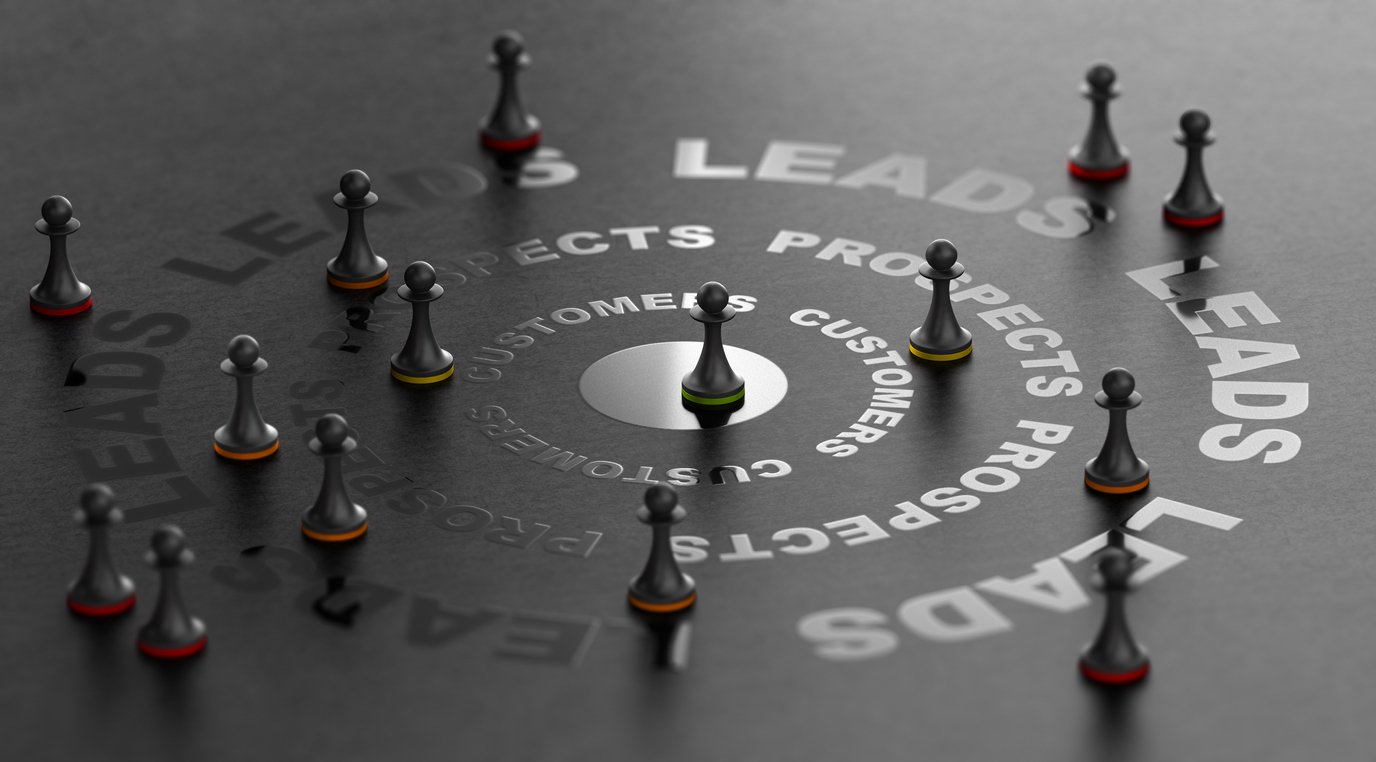
Therefore, it puts you in a better position to know which leads are most likely to convert and target them precisely. Moreover, the lead management feature also helps you pinpoint where prospects enter your sales funnel. This helps improve the overall lead management for your sales team and conversion rate in the long run.
3. Sales Pipelines
Sales mobile apps are known for their convenience – one of them being easy access to sales pipelines. With these apps, you can effortlessly manage contacts from your car and check client history or other vital details wherever you are.
The sales pipeline feature provides you with real-time insights to enable you to close more deals. But how will you do this? Let's show you how:
- Following up on clients
- Focusing your efforts on the best leads
- Monitoring pipeline metrics
- Reviewing the pipeline processes
- Regularly updating your pipeline
4. Sales Forecasting
Sales forecasting helps businesses make better decisions based on future revenue. It mainly helps them forecast potential profits or losses in a specific period. This shows how vital a sales forecasting feature is in a mobile sales app.
With the sales forecasting feature, you get mobile app sales statistics for practical insight into future sales. It also helps you properly organize staff levels and create better HR plans. Hence, you'll plan each staffing level appropriately to meet demand.
5. Mobile Accessibility
According to research by Pew Research Center, approximately 85% of Americans now own a smartphone. This shows how crucial mobile accessibility is, especially for businesses. Accessing your company's sales operations is a privilege that sales mobile apps offer.
Imagine your sales team accessing sales information, metrics, customer data, and trends without carrying a laptop or paperwork. This level of convenience is offered by sales mobile apps that offer an easy way to connect with the office while in the field.
Sales apps can also provide sales representatives with real-time sales data, allowing them to make sales decisions quickly and accurately. By combining sales trends with customer feedback, sales reps can gain insight into the most successful strategies and adjust their sales tactics accordingly.
6. Integration with Other Tools
Mobile app integration connects different apps and devices to achieve seamless information exchange. There are multiple benefits of mobile app integration with other tools like your CRM system.
The outcome can be optimized workflows, increased flexibility, and improved efficiency. Therefore, a good mobile app for the sales team should integrate seamlessly with other tools to make work easier.
Benefits of Using Sales Mobile Apps

There is a wide range of benefits associated with a mobile app for sales team, which include:
1. Increased Productivity
As explained, sales mobile apps can provide real-time access to customer data, enabling salespeople to quickly access information on past purchases, preferences, and behaviors. This can help them to tailor their sales approach and improve customer engagement.
Additionally, sales apps can automate many routine tasks, freeing time for salespeople to focus on more high-value activities such as prospecting and relationship-building.
On average, providing sales reps with mobile access to CRM applications can boost productivity by up to 30%. This is an easy way for businesses to take advantage of the potential of their team and increase success.
2. Better Collaboration
Sales apps can facilitate communication and collaboration between team members, helping streamline workflows and improve team efficiency. With sales apps, sales reps can easily share documents and data with their sales team or colleagues in other departments. This makes it easier for teams to work together on sales projects, coordinate sales activities and track progress over time.
Additionally, sales mobile apps provide a platform for sales managers to monitor individual reps' performance and the overall success of sales initiatives. This helps sales managers set better sales goals and ensure sales reps meet their targets.
3. Improved Customer Relationship Management
Sales mobile apps provide sales reps with the tools to manage customer relationships better. With sales apps, sales reps can easily access customer data and records, enabling them to track sales activities more effectively. This helps sales reps prioritize tasks and follow up on leads and opportunities more efficiently.
Additionally, sales apps make it easier for sales reps to stay up-to-date on customer needs and interests. This allows sales reps to provide personalized service and better tailor sales pitches to the needs of their customers.
4. Better Sales Forecasting
Sales forecasting is essential for sales teams as it helps sales reps plan and track sales activities. Sales apps can help sales reps better analyze data and trends, providing insight into future sales opportunities.
Utilizing this data, sales teams can make smarter decisions when devising their strategy and setting realistic goals. The results can be improved sales forecasting, allowing sales reps better to align their sales activities with expected customer demand.
As a bonus, sales teams can also tweak their sales strategies and tactics based on the sales data gathered by the app.
5. Real-Time Access to Data
With the help of these apps, sales reps can access customer data, sales performance metrics, and other important information from anywhere, at any time. This level of flexibility and accessibility can help sales teams be more productive and effective, as they can work from anywhere and stay connected to critical business data.
Sales mobile apps can also help sales reps respond more quickly to customer inquiries and concerns. With real-time access to customer data, reps can provide more personalized and relevant support, making it easier to resolve issues and build stronger customer relationships.
Mobile Sales Strategy: How Sales Teams Should Use Mobile Apps
To stay competitive, a modern mobile app sales strategy must go beyond simply installing software. It requires a fundamental shift in how your team interacts with prospects. A high-performing sales mobile app should act as a friction-remover, not just a secondary screen.
When Mobile Should Be the Primary Sales Interface
Choosing between a mobile or desktop focus depends heavily on your team's environment. For inside sales, a desktop might remain the hub for high-volume dialing and multi-screen research. However, for field sales, the mobile field sales app should be the primary interface.
- Field Sales Considerations: Reps need "at-a-glance" proximity alerts for nearby leads and the ability to log meeting notes via voice-to-text immediately after a visit.
- Mobile-First Workflows: This approach prioritizes speed and location-based data. If your mobile app sales rep has to wait until they get back to a laptop to log a lead, the data is already losing its value.
Aligning Mobile Apps With the Sales Funnel
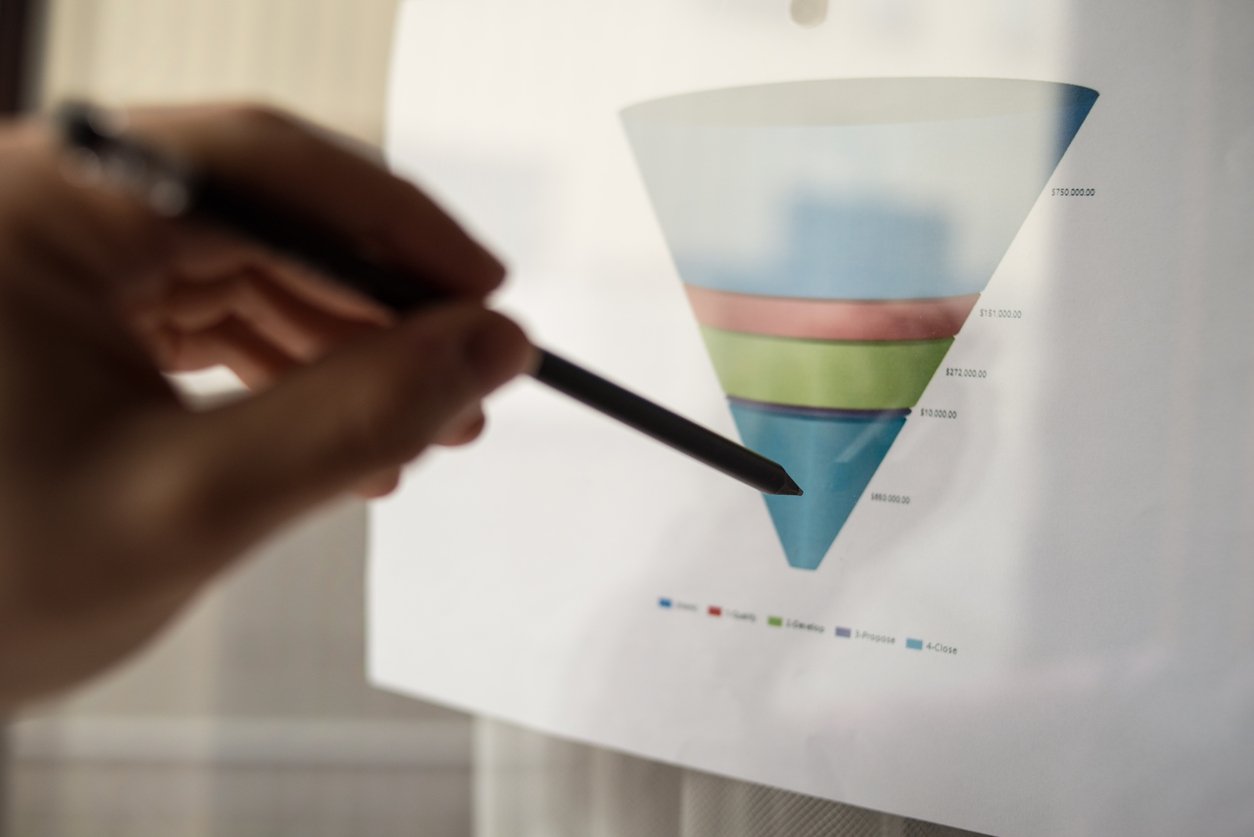
A robust mobile app for sales supports the customer journey from the first handshake to the final signature:
- Lead Capture: Use the camera to scan business cards or QR codes directly into the CRM at trade shows.
- Qualification: Access real-time mobile app sales statistics and customer history to qualify leads during live conversations.
- Deal Progression: Use integrated e-signature tools within the mobile app for the sales team to close contracts on-site.
- Post-Sale Follow-up: Set automated reminders to ensure the handoff to account management is seamless.
Avoiding Common Mobile Sales Pitfalls
Even the best SAP Business One sales mobile app can fail if the strategy is poorly executed. Watch out for these common traps:
|
Pitfall |
Impact |
Solution |
|
Notification Overload |
Rep burnout and "alarm fatigue." |
Custom-filter alerts to only show high-priority deal changes. |
|
Poor Data Hygiene |
Inaccurate forecasting and lost leads. |
Enable mandatory fields for quick-logging features. |
|
Inconsistent Usage |
Siloed information and team friction. |
Gamify app adoption and provide mobile-specific training. |
Mobile App for Sales Team Best Practices

Mobile app for sales team best practices refers to the strategies and guidelines organizations can use to ensure their sales team effectively uses mobile applications to enhance productivity, efficiency, and sales outcomes.
Here are five best practices to consider.
1. Choose the Right App for Your Business
Choosing the right mobile app for your sales team is crucial as it can significantly affect your sales productivity and efficiency. There are several factors to consider when choosing the right app, such as its features, user interface, ease of use, pricing, and compatibility with your existing systems.
Conduct thorough research and seek recommendations before selecting a mobile app that aligns with your business needs.
2. Train Employees on the App's Usage
Once you have selected the right app, it is essential to provide your sales team with adequate training on using the app. The training should include navigating the app, understanding its features, and using it to maximize sales opportunities.
By taking this training, your sales team can benefit in multiple ways - from feeling more self-assured to be better equipped at utilizing the app. Investing in this program will lead to greater adoption and successful usage of the app!
3. Integrate the App with Other Tools
The mobile app for sales you choose should easily integrate with other tools, such as CRM software, email, and social media platforms. This integration can help streamline the sales process, eliminate manual data entry, and improve communication between the sales team and other departments.
4. Use Data to Improve Sales Strategies
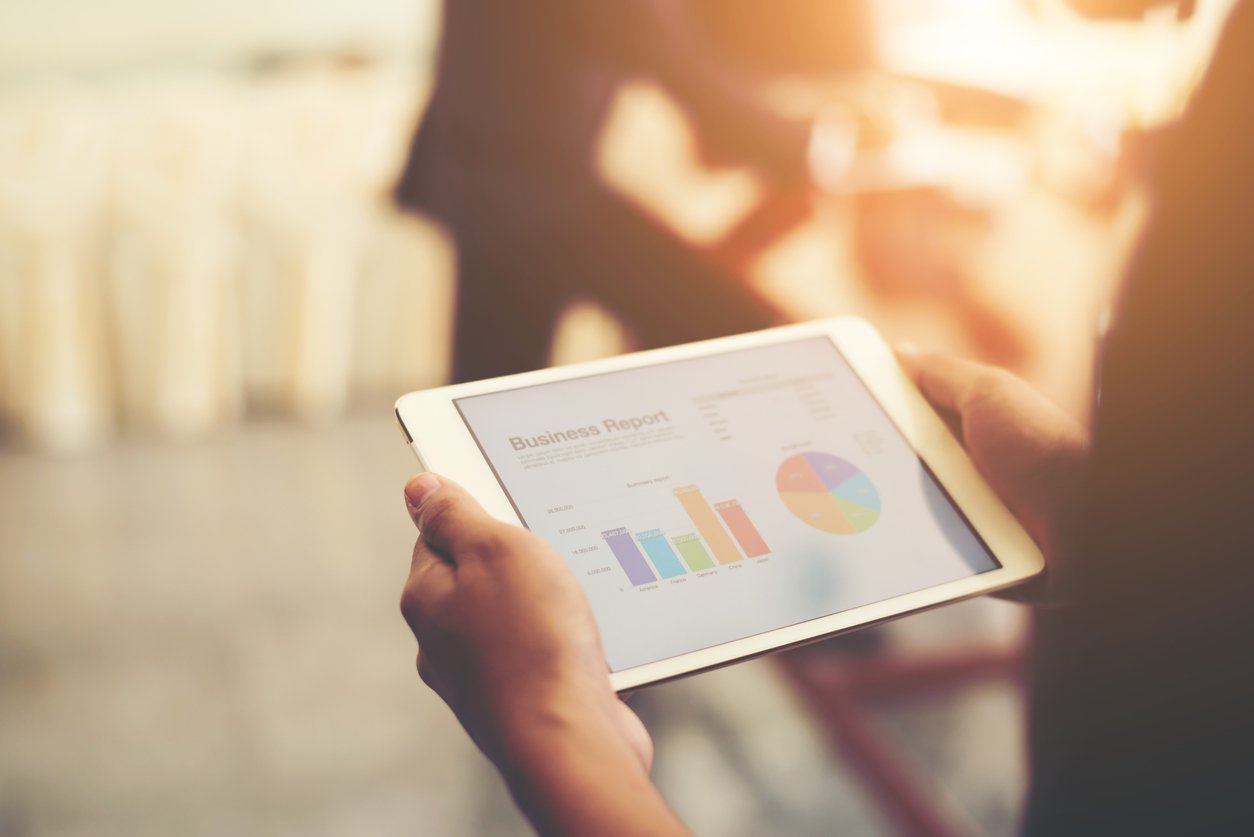
Using sales data, sales teams can make more informed decisions regarding sales strategies, pricing, and product marketing. Sales cloud mobile apps also allow sales reps to track sales progress against goals better and plan accordingly for the future.
By leveraging data from sales app analytics, sales teams can identify opportunities to improve their sales strategy and adjust sales activities accordingly.
Therefore, go for a sales app capable of providing sales teams with data-driven insights into customer needs, sales trends, and sales performance. These insights can help sales reps develop more effective sales strategies and tactics, leading to improved sales performance in the long run.
5. Continuously Evaluate and Improve Processes
Mobile sales apps give sales teams the ability to continuously monitor sales progress, identify areas for improvement, and make adjustments in real-time. This visibility allows sales reps to recognize potential issues or opportunities and take corrective action quickly.
Sales mobile apps also provide sales teams with valuable insights into customer behavior and preferences. Using this data, sales reps can develop sales strategies that better align with customer needs and expectations, resulting in increased sales.
Moreover, sales teams can use sales data to identify sales processes that are inefficient or ineffective and focus their efforts on the areas that need improvement. By systematically evaluating sales processes, sales reps can ensure they are consistently delivering the best possible results.
Frequently Asked Questions About Sales Mobile Apps
What is the difference between a mobile CRM and a sales mobile app?
While a mobile CRM is a portable version of your customer database, a sales mobile app is often more specialized for active selling. A CRM focuses on data management and relationship history, whereas a mobile app for sales prioritizes high-velocity tasks like field order entry, real-time inventory checks, and route optimization. Many teams use a dedicated mobile field sales app to execute transactions that a standard CRM might find too complex to handle on a small screen.
Are sales mobile apps secure?
Yes, enterprise-grade tools like the SAP Business One sales mobile app use advanced encryption (AES-256) and multi-factor authentication (MFA) to protect sensitive lead data.
To maintain a secure mobile app sales strategy, businesses also utilize remote-wipe capabilities and biometric logins. This ensures that even if a mobile app sales rep loses their device, your proprietary client information and mobile app sales statistics remains inaccessible to unauthorized users.
Can sales reps close deals entirely from a mobile app?
Absolutely. Modern sales mobile apps integrate with e-signature platforms (like DocuSign) and mobile payment gateways, allowing for a complete "quote-to-cash" workflow. A mobile app for sales team members enables them to generate a contract, capture a digital signature, and process the initial deposit during a single face-to-face meeting.
This mobility significantly reduces friction in the sales funnel and accelerates deal velocity without needing a desktop.
Do sales mobile apps work for small teams and startups?
They are often more critical for smaller teams. For a startup, a mobile app for sales acts as a force multiplier, allowing a small group of reps to stay highly responsive while on the move.
By leveraging a sales mobile app, lean teams can automate follow-ups and lead capturing, ensuring no opportunity is missed. Low-cost, scalable options make it easy to align your mobile app sales strategy with your growth as you add more users.
Conclusion
By utilizing sales app analytics, sales teams can capitalize on the immense potential of their strategies and tactics, identify weaknesses in their current plan to adjust accordingly, and ultimately accelerate success.
With Ringy CRM mobile app, your sales teams can maximize sales performance by leveraging features such as sales process automation, sales analytics, customer feedback, and marketing automation.
Try Ringy CRM mobile sales app today to optimize your sales strategy and experience the power of data-driven sales!

Skyrocket your sales with the CRM that does it all.
Calling? Check. SMS? Check. Automation and AI? Check. Effortlessly keep in touch with your customers and boost your revenue without limits.

Related Articles