 Updated on
 By Carlos Correa
Table of Contents

B2B sales is a term that has been around for decades, but with the fast-paced evolution of the business landscape, it has taken on new meaning and relevance. However,
If you are in sales or are interested in pursuing a career in sales, you must understand what B2B sales mean.
Knowing the latest B2B sales trends and strategies to succeed is essential whether you're a seasoned pro or starting.
This article explores the B2B sales meaning and its significance, including the key factors that drive B2B sales success, such as strategies, examples, consulting, channels, pipeline stages, and more.
So, buckle up and get ready to learn what it takes to be a B2B sales expert!
Key Takeaways
- B2B Sales Defined: Unlike consumer transactions, B2B sales involve selling to other businesses, characterized by complex decision-making, longer cycles, and multiple stakeholders.
- Pipeline Importance: Success relies on a structured 7-stage pipeline, from lead generation to post-sale nurturing, to convert prospects into long-term partners efficiently.
- Strategic Approach: Effective sales B2B strategies require deep market research, personalized outreach, and a focus on solving specific business problems rather than generic selling.
- Diverse Channels: Maximizing reach involves utilizing a mix of channels, including direct sales teams, digital self-service portals, and third-party reseller networks.
What is B2B Sales?

The B2B sales meaning refers to a commercial model where companies sell products or services directly to other businesses rather than individual consumers.
At its core, the definition of B2B sales centers on fulfilling professional needs, usually involving higher price points, multi-tiered approval processes, and long-term partnerships.
When asking what does B2B sales mean in practice, the process entails:
- Complex Decision-Making: Unlike B2C, deals involve multiple stakeholders and rigorous vetting.
- Strategic Solutions: Common examples of B2B sales include heavy machinery, enterprise software, or sales management consulting.
- Structured Progression: Opportunities move through distinct B2B sales pipeline stages, requiring patience and negotiation.
- Targeted Distribution: Companies use specific B2B sales channels to reach niche markets rather than mass audiences.
B2B Sales Pipeline Stages

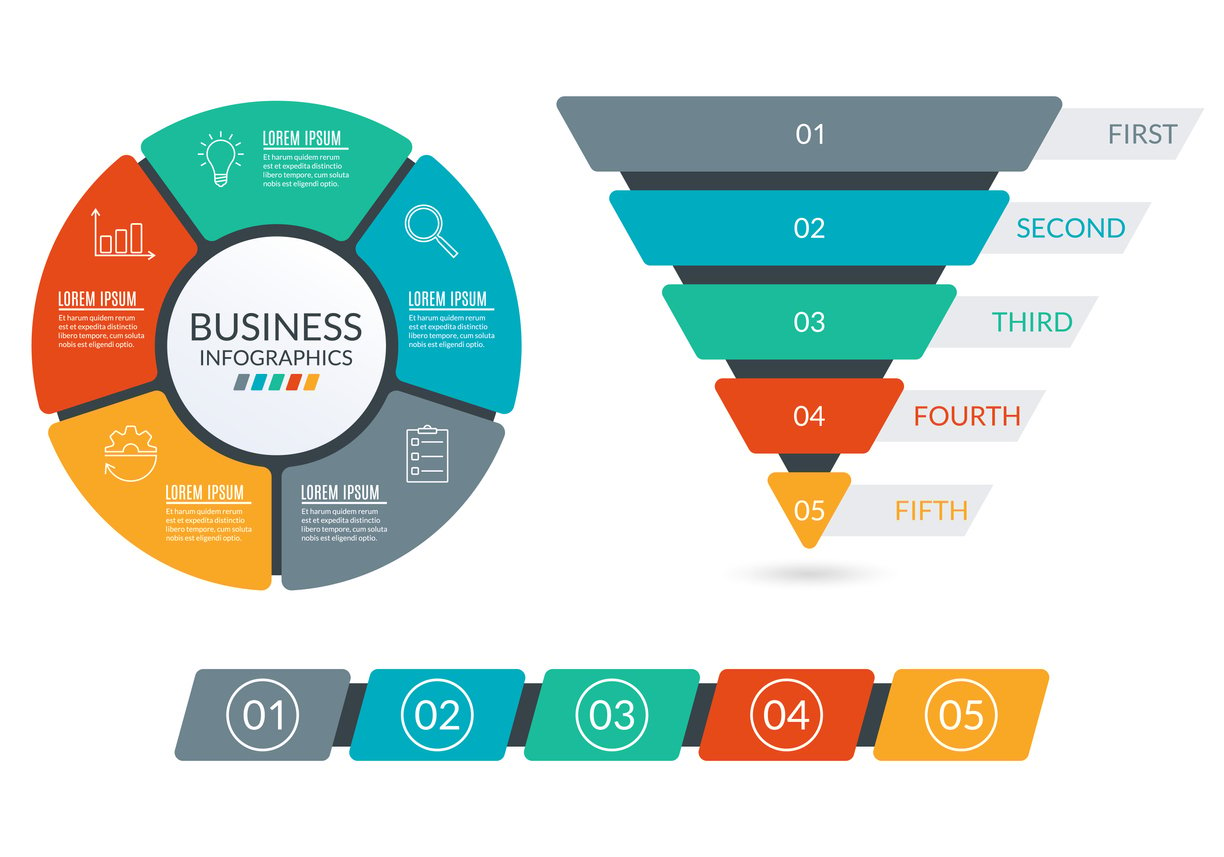
Understanding the B2B sales pipeline is crucial for managing long-term revenue growth. Unlike consumer transactions, the meaning of B2B sales in a pipeline context implies a structured, often lengthy journey from initial contact to a signed contract.
A robust B2B sales strategy relies on moving prospects efficiently through these seven specific stages.
1. Lead Generation and Prospecting
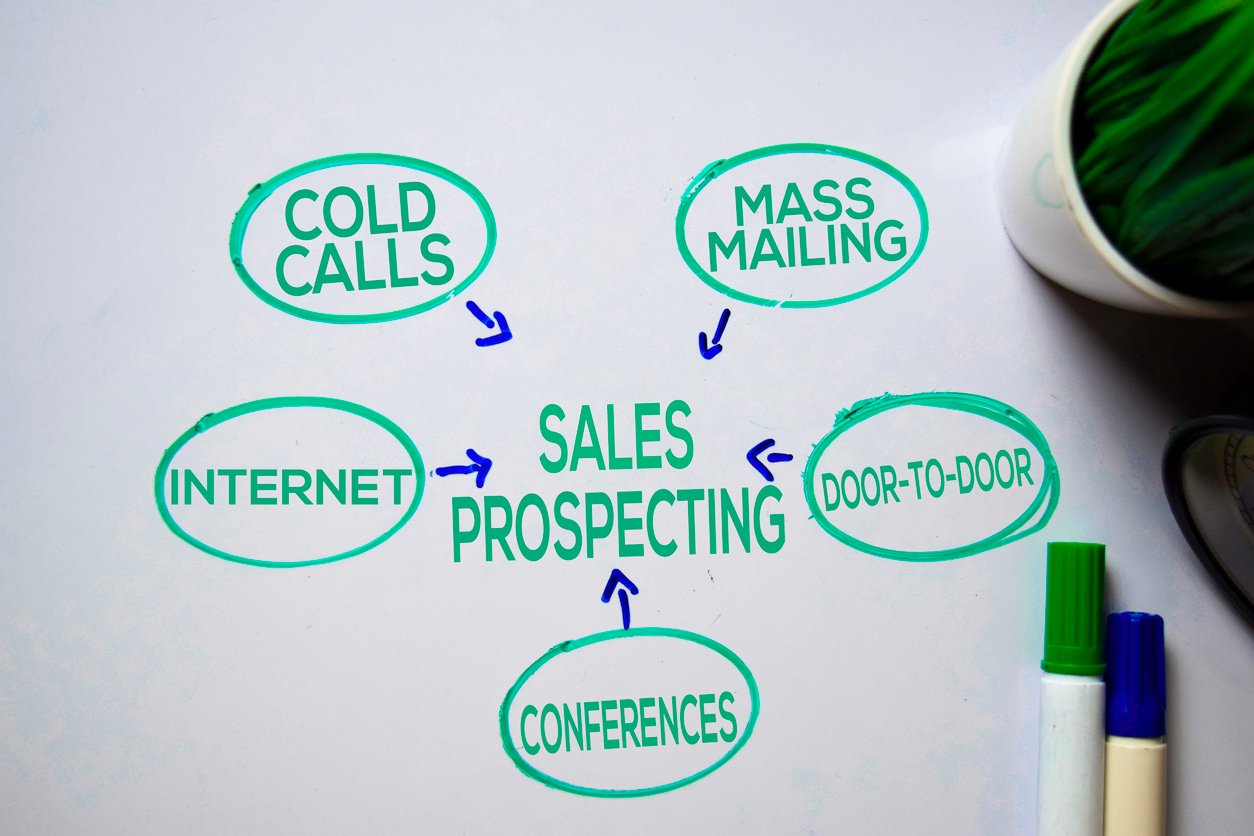
The process begins with identifying potential buyers who fit your ideal customer profile. Effective sales B2B strategies leverage various B2B sales channels, such as LinkedIn, industry conferences, or inbound content marketing, to attract interest. Whether you are a B2B sales consultant or an internal rep, this stage is about casting a wide net to find businesses that actively need your solution.
2. Lead Qualification
Not every prospect is a match. In this stage, sales teams determine if the lead has the budget, authority, need, and timeline (BANT) to proceed. This is where sales management consulting principles often come into play, helping teams filter out leads that won't convert.
Refining the B2B sales pipeline here saves time by ensuring effort is focused only on high-potential accounts.
3. Discovery and Needs Analysis
This is the investigative phase. Here, the salesperson acts less like a vendor and more like a partner. They ask deep questions to understand the client's pain points.
To truly grasp what is B2B sales mean in a consultative context, one must look at this stage: it is about diagnosing complex business problems before prescribing a solution.
4. The Sales Pitch or Proposal
Armed with insights from the discovery phase, you present a tailored solution. Examples of B2B sales proposals often include detailed ROI calculations, implementation roadmaps, and case studies.
The goal is to demonstrate exactly how your product solves the specific challenges identified earlier, differentiating your offering from competitors.
5. Handling Objections and Negotiation
Resistance is a natural part of the B2B sales definition. Stakeholders may push back on price, contract terms, or feature sets. Navigating these hurdles requires preparation and empathy.
Current B2B sales trends show that buyers are more informed than ever, so reps must be ready to address specific technical or financial concerns without being aggressive.
6. Closing the Deal
This stage involves the final sign-off. It often includes legal review and procurement processes, which can be tedious. A strong sales strategy B2B focuses on maintaining momentum here, ensuring that minor redlines in a contract don’t stall the final agreement.
7. Post-Sale Follow-up and Nurturing
The meaning of B2B sales extends beyond the signature. Post-sale activities involve onboarding, customer success, and looking for up-sell or cross-sell opportunities. Building loyalty here transforms a one-time buyer into a long-term partner, which is the ultimate goal of any B2B sales pipeline.
Sales B2B Strategies
So, you've learned the B2B sales meaning, but now what? How do you go about making a successful B2B sale?
Don't worry because there are several effective B2B sales strategies.
Robust B2B sales strategies are crucial for businesses to increase revenue and succeed in a competitive marketplace. B2B sales can be complex and require a deep understanding of the customer's business, industry, and unique needs to close the deal.
|
Strategy |
Description |
|
Understanding the Target Market |
Research client needs, industry trends, and competitors to align content with specific pain points. This insight allows teams to customize messaging and meet customers exactly where they are. |
|
Personalizing Marketing Approach |
Tailor the sales pitch by addressing unique company needs and leveraging behavioral data. Targeted messaging ensures prospects feel like valued partners rather than just another number. |
|
Building Relationships |
Foster loyalty by listening actively, communicating effectively, and responding promptly to client concerns. Strong, long-term partnerships are built on trust and consistent, high-quality interaction. |
|
Developing a Strong Sales Team |
Equip staff with deep product knowledge, communication skills, and essential tools through ongoing training. A capable, customer-focused team effectively communicates value and maximizes performance. |
|
Offering Solutions |
Focus on solving specific problems by researching client needs and providing customized recommendations. Demonstrating exactly how a product addresses pain points increases the likelihood of a successful sale. |
|
Providing Excellent Customer Service |
Maintain a professional, responsive demeanor to answer questions and resolve issues quickly. Continuous improvement of service standards helps build credibility and a superior brand reputation. |
Understanding the Target Market
The first step in a B2B sales strategy is comprehending clients' needs. Research to identify the target market and its pain points to tailor content that aligns with customer expectations. B2B salespeople should also take the time to learn about the customer's competition and budget.
With this information, teams can customize their messaging and sales approach to meet customers where they are.
A few key considerations when understanding a target market include but are not limited to:
- Industry Trends - Understanding the current trends and challenges in your target market's industry can help you position products or services to address these factors.
- Competitor Analysis - Analyzing your competitors helps you understand the market landscape and identify opportunities to differentiate yourself.
- Customer Segmentation - Segmenting the target audience into different groups based on their needs and buying habits assists in tailoring the sales approach to meet the specific requirements of each segment.
Full cognizance of the target audience allows businesses to ensure they meet the needs of their customers and prospects, ultimately building a more substantial brand reputation.
Personalizing Marketing Approach
In B2B sales, personalization is vital. Businesses don't just want to feel like a number; they want to feel like a valued partner.
Personalizing your marketing approach by addressing each company's unique needs aids in building trust and establishing a long-lasting relationship.
Here are some ways to personalize your B2B sales approach:
- Get to Know the Audience - Before marketing to a business, it's crucial to have a clear understanding of their needs, goals, and obstacles. The more you know about the target audience, the more personalization can be included in the sales pitch.
- Segment the Audience - Categorizing the target market assists in finding what works best and with which audience.
- Use Targeted Messaging - Once you've segmented your audience, use targeted messaging that speaks directly to their pain points, grabbing their attention and keeping them engaged with your brand.
- Leverage Data - Use data to your advantage and personalize your approach based on the behavior or preferences of each business. For example, you can use this information to send targeted emails and personalized follow-up messages to businesses that have shown an interest in your products or services.
Building Relationships
Building strong relationships is an important aspect of B2B sales. By fostering positive relationships with your clients ensures they remain loyal and continue to do business with you for years to come.
Here are some ways to build strong relationships in B2B sales:
- Listen to Your Clients - Listening to and understanding their needs is the first step in building a strong relationship. You can establish trust and build a strong foundation for a long-lasting partnership by showing interest in their business.
- Communicate Effectively - Effective communication is key to building strong relationships in B2B sales. Ensure you communicate regularly and clearly with your clients to keep them updated on products or services.
- Be Responsive - Responding promptly to your client's requirements and concerns builds trust and shows them that you value their business.
- Offer Excellent Customer Service - Providing superior customer service is another way to build strong relationships with your clients. Whether resolving issues quickly or going above and beyond their expectations, providing excellent customer service helps you stand out from the competition and build a loyal client base.
Developing a Strong Sales Team
A strong sales team is essential for any B2B sales strategy. Your sales team should be knowledgeable about your products or services and be able to communicate the value proposition to the customers effectively.
To develop a strong sales team, consider providing ongoing training and development opportunities.
This table highlights key aspects of developing a strong sales team
|
Component |
Description |
|
Knowledge of products/services |
Sales teams should have a deep understanding of the company's products or services, including their features and benefits, to showcase the advantages to clients effectively. |
|
Communication skills |
Strong communication skills, including listening actively and articulating ideas clearly, are essential for success in B2B sales. |
|
Customer-focused approach |
Sales teams must have customer-centricity, seeking to understand the client's needs and tailor their sales approach to meet those criteria. |
|
Relationship-building skills |
Building solid and lasting relationships with customers are key in B2B sales. Team members should be able to establish trust, communicate effectively, and offer excellent customer service |
|
Sales training and development |
Ongoing sales training and development opportunities help sales employees improve their skills and increase their effectiveness |
|
Tools and resources |
Providing sales teams with the tools and resources they need to be successful, such as access to customer data, sales automation software, and marketing materials can maximize their performance |
Including access to customer data, sales automation software, and marketing materials can benefit sales teams immensely. With the right resources and software, sales staff can deliver the expected customer experience.
Offering Solutions
B2B salespeople should focus on offering solutions to their customers' problems. This requires awareness of the client's demands and the ability to offer a customized solution that meets their requirements.
To offer practical solutions, consider the following:
- Research to Understand the Customer's Needs - Before offering a solution, take the time to understand everything about the client. This information helps you tailor your solution to meet their specific needs.
- Offer Customized Solutions - B2B sales require a personalized approach. Offer customized solutions that meet each customer's needs rather than a one-size-fits-all approach.
- Demonstrate Your Solution's Value - Communicate the product or service’s worth, including how it addresses the customer's pain points and meets their particular requirements. Use data and case studies to support your value proposition.
Offering solutions to prospect problems is a crucial component of B2B sales. By understanding the customer's needs and offering a customized solution, salespeople can effectively address the client's pain points and increase the likelihood of a successful sale.
Providing Excellent Customer Service
B2B sales require a high level of customer service. B2B salespeople must be responsive, knowledgeable, and professional. They should be able to answer questions, address concerns, and support their customers.
To provide excellent customer service, consider the following:
- Be Responsive - Respond promptly to customer inquiries and concerns to show that you care about their input.
- Offer Knowledge and Expertise - Sales teams should be knowledgeable about products or services and be able to answer questions and support customers.
- Maintain a Professional Demeanor - Agents must maintain a professional demeanor, even in challenging situations, to build customer trust and credibility.
- Continuously Evaluate and Enhance - Keep an eye on your customer service standard and adjust as necessary. Maintain a strong brand reputation and stay one step ahead of the competition by putting forth a consistent effort to improve.
Outstanding customer service is a crucial component of B2B sales. Salespeople may boost income and succeed in the cutthroat B2B space by being attentive, informed, and professional with their clients and ensuring they are happy with their goods and services.
Effective B2B Sales Channels
Selecting the right distribution method is critical to your strategy. While the B2B sales meaning focuses on the transaction between businesses, how that transaction occurs depends on the specific B2B sales channel you utilize. Successful organizations often employ a mix of these channels to maximize reach and efficiency.
1. Direct Sales
This is the traditional backbone of many organizations, perfectly illustrating what does B2B sales mean in a high-stakes context. Direct sales involve in-house teams building high-touch relationships with prospects.
- How it works: Your internal sales representatives or a dedicated B2B sales consultant engage directly with buyers through cold calls, emails, demos, and face-to-face meetings.
- When to use it: This channel is essential for complex B2B sales examples, such as enterprise software or industrial machinery, where the solution requires detailed explanation, customization, and negotiation.
- Benefit: It allows for total control over the brand message and deep relationship building, which is vital for closing high-ticket deals in the B2B sales pipeline.
2. Digital/Ecommerce
One of the most rapidly growing B2B sales trends is the shift toward digital self-service. Modern buyers, influenced by their consumer habits, often prefer self-service portals for repeat business clients.
- How it works: Businesses create secure, user-friendly online platforms where clients can browse catalogs, place orders, and manage invoices without interacting with a salesperson.
- When to use it: This is ideal for standardized products, replacement parts, or subscription renewals where the definition of B2B sales is less about consultation and more about transactional efficiency.
- Benefit: It lowers the cost of sales and frees up your direct sales team to focus on high-value, complex accounts while automating the routine sales B2B meaning of reordering.
3. Partners and Resellers
For companies looking to expand their footprint quickly, scaling through third-party networks is a powerful strategy.
- How it works: You authorize other companies, such as value-added resellers (VARs), distributors, or agencies, to sell your product on your behalf.
- When to use it: This is a common approach in sales management consulting when a company wants to enter new geographic markets or vertical industries where they lack an established presence.
- Benefit: It leverages the trust and existing relationships that partners already have with their client base, instantly widening your access to potential B2B sales pipeline stages that would be difficult to reach alone.
B2B Sales Consulting

Regarding B2B sales, the competition is challenging, and the pressure to meet targets is high. A B2B sales consultant assists businesses in overcoming these difficulties and improving their sales process. They provide expertise, experience, and an outside perspective that helps identify growth opportunities and new sales approaches.
The table below highlights the difference between B2B and B2C sales consulting:
|
B2B Sales Consulting |
B2C Sales Consulting |
|
Focuses on sales strategies for businesses selling to other businesses. |
Concentrates on sales strategies for organizations selling directly to consumers. |
|
Complex and lengthy sales cycles. |
Shorter and less complicated sales cycles. |
|
Deals with multiple decision-makers within a company. |
Deals with individual consumers as the primary decision-makers. |
|
Highlights how the product or service will help the business as a whole. |
Emphasizes the personal benefits of the product or service to the consumer. |
|
Offers solutions to meet the specific needs of each business. |
Provides products and services that appeal to the emotions and desires of the consumer. |
|
May necessitate a more profound comprehension of a specific market or sector. |
Requires knowledge of consumer behavior and shopping preferences. |
A B2B sales consultant will analyze the current sales process, identify areas for improvement, and make recommendations to help optimize selling approaches. They can help businesses establish a sales strategy, create a sales plan, and develop sales materials. B2B sales consultants train sales teams, provide ongoing support and mentorship, and monitor progress to ensure success.
The role of a B2B sales consultant is to help companies achieve their sales goals by providing expert advice and guidance. They work with the sales team to implement the sales strategy, train salespeople, and analyze progression. These individuals provide regular feedback and support the sales team in overcoming obstacles and achieving their targets.
B2B Sales Channel

B2B sales channels refer to businesses' communication mediums to reach potential customers. A sales channel can be direct, such as a salesperson visiting a customer, or indirect, such as an online marketplace or a distribution network.
The right sales channel for a company depends on many factors, including the type of product or service, the target market, and the sales goals.
Direct sales channels are personal and require a lot of time and effort from salespeople. They often involve face-to-face interactions and personal relationships with customers. Indirect sales channels are more impersonal but reach a larger audience and can be less time-consuming for sales teams.
Common B2B sales channels include:
- Direct Sales
- Indirect Sales
- Online Marketplaces
- Distribution Networks
- Trade Shows and Conferences
- Referral Programs
- Telemarketing
- Email Marketing
- Social Media
Choosing the right sales channel is critical for success in B2B sales. It aids businesses in reaching their target market effectively while reducing costs and improving customer engagement.
B2B Sales Meaning - FAQs

How Does Automation Improve B2B Sales Performance?
By utilizing CRM tools and AI, sales teams can automate repetitive administrative tasks like data entry, email follow-ups, and lead scoring. This streamlines the B2B sales pipeline, ensuring no opportunity falls through the cracks.
Ultimately, automation frees up B2B sales consultants to focus on what matters most: building relationships and closing complex deals, rather than getting bogged down in manual processes.
What Are the 4 Types of B2B?
Understanding the definition of B2B sales requires recognizing who the buyers are. The four main types include:
- Producers: Companies that purchase raw materials or components to create their own products (e.g., a car manufacturer buying steel).
- Resellers: Wholesalers or retailers who buy products to sell them to others without significant modification.
- Governments: Public agencies that procure goods and services, often through strict bidding processes.
- Institutions: Non-profits, schools, and hospitals that purchase goods to support their operations rather than for profit.
What is the B2B Sales Process?
The B2B sales process is the actionable roadmap derived from the broader B2B sales meaning. It represents the journey a sales rep takes a prospect through to convert them into a customer. A high-level summary includes:
- Prospecting: Identifying potential buyers fitting the sales strategy B2B.
- Preparation: Researching the lead.
- Approach: Making initial contact.
- Presentation: Demonstrating the solution's value.
- Handling Objections: Addressing concerns and negotiating.
- Closing: Finalizing the contract.
- Follow-up: Ensuring success and retention.
What are Examples of B2B Sales?
When people ask "what does B2B sales mean in action," they are often looking for the specific tactics used to initiate conversations. Common examples of B2B sales outreach methods include:
- Cold Calling: Reaching out via phone to prospects who haven't expressed prior interest.
- Cold Email: Sending personalized messages to decision-makers to spark a conversation.
- Social Selling: Using platforms like LinkedIn to build rapport and share content.
- Video Prospecting: Sending short, personalized videos to stand out in a crowded inbox.
What Are the Key Success Factors in B2B Sales?
The key success factors in B2B sales include:
- Building solid relationships.
- Understanding the customer's needs.
- Providing value.
- Staying ahead of the competition.
Effective communication, good product knowledge, and a strong sales pipeline are also important for success in B2B sales.
How Can B2B Sales Consulting Help Improve Sales Performance?
B2B sales consulting can help businesses by providing insights, guidance, and support in areas such as sales strategy, sales process, lead generation, pipeline management, and sales training.
By working with a sales consultant, companies can improve their sales performance by identifying areas for improvement and implementing best practices.
B2B Sales Meaning - Final Thoughts

And there you have it, folks! A comprehensive guide to the world of B2B sales. From the definition of B2B sales to different sales strategies, examples, consulting, channels, and pipeline stages. We hope this article has shed some light on the B2B sales meaning, and how you can improve your B2B sales game.
Now, as we end this journey, let us leave you with one final thought: B2B sales is a process, not a one-time event. To succeed in B2B sales, you need to have a plan, be organized, and always be willing to learn and adapt.
And if you're looking for a tool to help streamline your B2B sales process, look no further than Ringy.
The platform is a top-notch sales and customer relationship management software that will keep track of your leads, customers, and sales pipeline all in one place. With its intuitive design and user-friendly interface, Ringy makes your life easier, giving you more time to focus on what matters: making those sales!
So, what are you waiting for? Request a demo and take your B2B sales to the next level!

Skyrocket your sales with the CRM that does it all.
Calling? Check. SMS? Check. Automation and AI? Check. Effortlessly keep in touch with your customers and boost your revenue without limits.

Related Articles