 Updated on
 By Carlos Correa
Table of Contents

Key Takeaways
- Social selling replaces cold calls and volume blasts with warm digital relationships, signal-based engagement, and two-way conversations that create better timing and higher-quality opportunities.
- B2B social selling focuses on long cycles, multiple stakeholders, and account-based engagement, while B2C social media selling leans on creators, community trust, and fast conversion moments.
- Using the social selling index (SSI) allows sellers to move beyond vanity metrics and measure the actual impact of their professional brand on pipeline generation.
- The strongest social selling strategies include content-led authority building, trigger-based engagement, account-based social selling, social listening, and multi-channel orchestration across social, email, and CRM.
Cold calling is officially on life support, and to be honest, nobody is mourning the loss. Most of us treat an unknown number like a suspicious package: we don't touch it, we don't trust it, and we certainly don't want to talk to whoever sent it.
Buyers have moved into digital spaces where they can research, vet, and ignore you in peace.
To successfully close a deal in 2026, you need to engage in conversations that are already taking place. This is where social selling makes a significant difference. It's not about aggressively approaching strangers in their DMs with messages like, "I'd love to connect and share more about our synergy."
Instead, it's about establishing a strong digital reputation so that people genuinely look forward to seeing your name in their notifications. That progression is where most teams either stall or scale.
And once you see how the pieces connect, from the strategy, tools, signals, and measurement, the whole motion starts to feel a lot less random and a lot more repeatable.
What Is Social Selling?
Social selling is the process of using social media platforms to find, connect with, and nurture sales prospects. Rather than relying on cold outreach, it focuses on building authentic relationships and establishing professional credibility.
By providing consistent value, sellers earn trust and position themselves as the logical solution when a buyer is ready to purchase. The social selling definition is a deliberate shift from a "one-to-many" broadcasting mindset to a "one-to-one" relationship-building strategy.
In a B2B context, social media selling functions as a digital handshake. You aren't just a profile but also a resource. Here is how that actually looks in practice:
- Credibility over Pitching: Instead of selling a product, you're selling your expertise. When you share insights, you build the "know, like, and trust" factor long before a formal discovery call.
- Long-Term Value: Traditional sales is a sprint to the "yes." Social selling B2B is a marathon where the goal is to stay top-of-mind so that when a prospect has a problem, you are the first person they message.
- Strategic Listening: It allows you to track "trigger events," like a prospect getting promoted or a company receiving funding, so your outreach is timely rather than intrusive.
Essentially, the social selling meaning is solution selling because it's centered on being helpful, not hounding. If you're doing it right, the "sale" feels like the natural conclusion to a series of helpful interactions rather than a forced transaction.
How Social Selling Differs From Traditional Selling
Traditional sales is often a numbers game where you throw enough spaghetti at the wall until something sticks. Social selling, however, is more like gardening, you're cultivating an environment where deals can actually grow. It's the difference between shouting into a megaphone and having a meaningful conversation over coffee.
Cold Calls vs. Warm Digital Relationships
The era of "dialing for dollars" is hitting a wall. Most buyers now view unsolicited calls as an intrusion of privacy. In contrast, building warm digital relationships ensures that by the time you actually talk shop, the prospect already knows your face and trusts your brain.
|
Feature |
Traditional Cold Calling |
Social Selling Approach |
|
First Impression |
Intrusive and unexpected |
Familiar and value-driven |
|
Trust Level |
Zero (guilty until proven innocent) |
High (built through shared content) |
|
Success Rate |
Less than 2% result in a meeting |
78% of social sellers outsell peers |
According to recent social selling statistics, over 90% of decision-makers never respond to cold outreach. They aren't being mean; they're just busy.
Using a social selling platform like LinkedIn allows you to engage with a prospect's post before reaching out. A simple, insightful comment transforms you from a "random salesperson" into a "knowledgeable peer."
For instance, instead of calling a CEO out of the blue, you engage with their latest "thought leadership" post. When you eventually send a message, you reference that specific discussion. That's a warm entry, not a cold intrusion.
Volume-Based Outreach vs. Signal-Based Engagement
Traditional selling relies on "spray and pray"—sending 500 identical emails and hoping for a 1% response rate. A modern social selling strategy relies on signals, meaning you only move when there is a reason to.
|
Feature |
Volume-Based |
Signal-Based |
|
Efficiency |
Low (high effort, low yield) |
High (precise and timely) |
|
Personalization |
Surface-level "Merge Tags" |
Deep contextual relevance |
|
Primary Tool |
Auto-dialers and mass mailers |
Social listening and CRM alerts |
Effective B2B social selling involves watching for "buying signals." This could be a prospect asking for recommendations in a professional group or a company announcing a new expansion.
Research shows that social sellers generate 45% more opportunities than those following traditional models because they aren't wasting time on uninterested leads.
Rather than emailing every HR Manager in Chicago, you use social selling tools to alert you when an HR Manager starts a new role. Congratulating them on the promotion is a "signal" that opens the door naturally.
One-Way Messaging vs. Two-Way Conversations
Traditional outreach is a monologue; you tell the prospect why your product is great. Social media selling is a dialogue. It's an exchange of ideas where the prospect feels heard rather than "sold to."
|
Feature |
One-Way Messaging |
Two-Way Conversations |
|
Tone |
Salesy and promotional |
Educational and collaborative |
|
Goal |
Get the demo booked |
Start a meaningful discussion |
|
Feedback Loop |
Non-existent (Delete/Ignore) |
Active (Comments/Replies) |
This exemplifies social selling the inbound way, providing valuable content that attracts people, initiating conversations where they ask you questions. Engaging in two-way conversations in niche groups or comment sections builds a "social moat" around your brand that competitors can't easily cross with a bigger ad budget.
Instead of a PDF pitch deck, you share a poll asking about industry pain points. When people vote, you reply to their specific concerns. You aren't pitching; you're problem-solving in real-time.
Social Selling for B2B vs. B2C
The mechanics of a sale change depending on whether you're pitching a software suite to a board of directors or a pair of sneakers to a teenager. While the goal remains connection, social selling adapts its personality to fit the room. In B2B, you're a trusted advisor; in B2C, you're a lifestyle match.
|
Feature |
B2B Social Selling |
Consumer-Facing (B2C) |
|
Primary Goal |
Authority & Pipeline Growth |
Brand Affinity & Instant Conversion |
|
Sales Cycle |
Long (Months/Years) |
Short (Minutes/Days) |
|
Key Platforms |
LinkedIn, Twitter (X), Industry Forums |
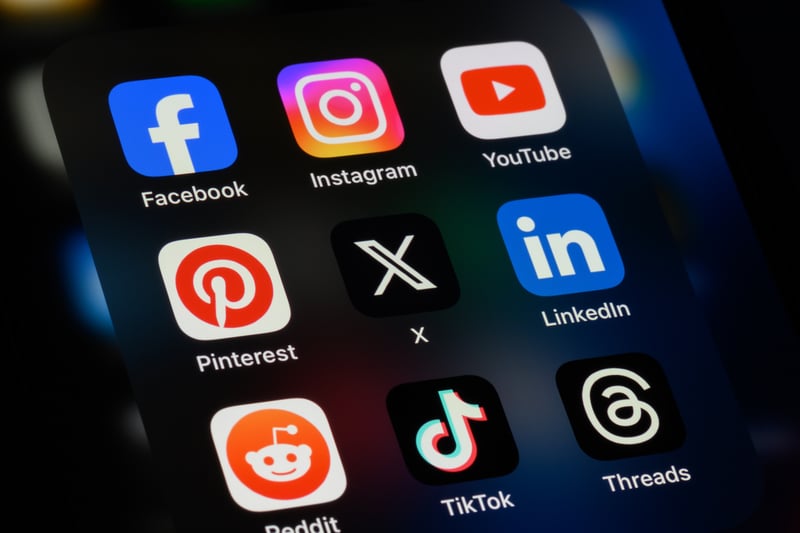
Instagram, TikTok, Facebook |
|
Relationship |
Peer-to-Peer Professionalism |
Influencer-to-Community Trust |
Social Selling B2B
In the professional world, social selling B2B is less about "making a sale" and more about managing a complex ecosystem of decision-makers. You aren't just convincing one person, but also often convincing a committee.
- Stakeholder Navigation: Modern B2B deals involve an average of 6–10 stakeholders. B2B social selling allows you to surround an account by engaging with the CFO's post, the IT Director's query, and the VP's shared article, all before a formal meeting.
- Thought Leadership: You don't need a massive following; you need the right following. Sharing a social selling strategy that solves a specific industry pain point positions you as a consultant rather than a vendor.
- Pipeline Discipline: Social selling B2B is a core discipline. Consistent engagement ensures your pipeline remains full even when your "hot leads" go cold.
Consumer-Facing Social Selling
On the B2C side, social media selling leans heavily into the "social" aspect. It's fast-paced, visual, and highly emotional. It's less about a whitepaper and more about a vibe.
- The Creator Economy: Trust has shifted from brands to people. Whether it's a YouTuber or a local boutique owner, community-driven trust is the new currency.
- Niche Markets: This is where specific trends like selling photos on social apps emerge. While a B2B pro sells "solutions," a creator might sell digital assets or aesthetic experiences directly through visual platforms. However, it's a slippery slope because if the "sell" outweighs the "social," the community usually hits the unfollow button.
- Direct Engagement: Unlike the formal touchpoints of B2B, B2C success often comes from responding to comments in real-time or hosting a live Q&A that turns a casual scroller into a customer within five minutes.
Social Selling Strategies That Drive Real Results

If your social selling strategy starts and ends with a LinkedIn connection request, you're just adding to the digital noise.
Real results come from a structured approach that mirrors how people actually buy in 2026. It's about being in the right place, with the right insight, exactly when the lightbulb goes off for your prospect.
The strategies below reflect how high-performing teams turn social activity into real pipeline impact.
1. Content-Led Authority Building
Modern buyers are allergic to pitches, but they are starving for perspective. This is what is social selling the inbound way in action: you create a "gravity" that pulls prospects toward you.
What works in practice:
- Insights over Ads: Stop posting "We are thrilled to announce..." and start posting "Here are three reasons your current workflow is leaking revenue."
- Personal Selling: Your personal brand is your most valuable asset. People buy from people they find interesting and knowledgeable, not from faceless corporate logos.
- The Education First Rule: If your content doesn't teach your prospect something they didn't know ten minutes ago, it isn't authority building but just clutter.
2. Trigger-Based Engagement
Timing is the difference between a helpful resource and a pesky interruption. Successful social selling B2B relies on identifying "trigger events" that signal a need for your services.
Common intent triggers include:
- Listen for Change: A prospect starting a new job, a company receiving a fresh round of funding, or even a public mention in the news are all green lights to engage.
- The Non-Pitch Outreach: Instead of saying "I saw you got funded, want a demo?", try "Congrats on the Series B! With that kind of growth, I imagine [Specific Pain Point] is moving to the top of your list. I wrote a piece on navigating that—hope it helps."
3. Account-Based Social Selling
In high-ticket sales, you target an entire organization. This B2B social selling tactic ensures you are a familiar face to multiple stakeholders.
How this shows up:
- Multi-Thread Engagement: Don't just follow the CEO. Engage with the managers who will actually use your product and the finance team who will sign the check.
- Contextual Relevance: Tailor your interactions based on the specific goals of that account. If they are expanding into Europe, your engagement should reflect your expertise in international markets.
4. Social Listening and Conversation Mapping
Social selling tools have made it easier than ever to find prospects who are literally raising their hands for help.
Effective social listening enables sellers to do the following:
- Keyword Tracking: Set up alerts for industry-specific pain points. If someone on X (Twitter) or LinkedIn asks, "Does anyone have a better way to handle X?", you should be the first to provide a neutral, helpful answer.
- Identifying Gaps: Use conversation mapping to see what your competitors are ignoring. If their customers are complaining about slow support in their comments, that's your opening to discuss your "high-touch" service model.
5. Multi-Channel Relationship Orchestration
Social selling doesn't live in a vacuum. It should be the "warm-up" for your other sales efforts, aligning your social, email, and CRM workflows into one cohesive story.
Execution looks like:
- The Rule of Seven: It takes an average of seven touchpoints to get a meeting. A LinkedIn comment, a shared article, and a personalized video message are far more effective than seven cold emails.
- CRM Integration: Use social selling software to log these social interactions in your CRM. This ensures that when you finally hop on a call, you aren't starting from zero, but continuing a conversation that began weeks ago on a social feed.
Measuring Success With the Social Selling Index

In sales, if you can't measure it, it didn't happen. But when it comes to social media, people often get distracted by "likes" that don't pay the bills. This is where the social selling index (SSI) comes in. It's a data-backed score developed by LinkedIn to quantify how effectively you're using your digital presence to actually drive business.
What the Social Selling Index Measures
Think of your social selling index score as a credit score for your professional reputation. It ranges from 0 to 100 and is calculated based on four key pillars, each worth 25 points:
- Establishing Your Professional Brand: How complete is your profile? Are you posting content that makes people think, "Wow, this person actually knows their stuff"?
- Finding the Right People: Are you using advanced search to find decision-makers, or are you just connecting with your old college roommates?
- Engaging with Insights: This tracks how often you share, comment, and participate in industry-relevant conversations.
- Building Relationships: This measures your ability to nurture connections and maintain trust with stakeholders over time.
Activity vs. Outcome Metrics
A high SSI is great, but a score of 90 doesn't mean much if your bank account is at zero. You have to distinguish between "activity" (what you do) and "outcomes" (what you get).
- Activity Metrics: These are the leading indicators. Examples include the number of meaningful comments you leave per day or the growth of your social selling index score.
- Outcome Metrics: These are the lagging indicators. We're talking about pipeline generated, response rates on "warm" messages, and, most importantly, closed-won revenue.
- The Reality Check: Social selling statistics show that sellers with an SSI above 70 generate 45% more opportunities than those with lower scores. The score predicts the result; it isn't the result itself.
SSI as a Directional Benchmark
Avoid treating your SSI as a vanity score. It isn't about bragging rights in the breakroom; it's a compass. If your "Engaging with Insights" score is low, you know you need to stop lurking and start commenting. It's a tool for social selling training and self-correction, helping you shift from "noise-maker" to "value-adder" based on what the data says is working.
Social Selling Tools and Platforms

Trying to master social media selling with just a browser and a dream is a recipe for burnout. To scale your efforts without spending 14 hours a day on LinkedIn, you need a tech stack that works as hard as you do.
What to Look for in Social Selling Software
The right social selling software should act like a personal assistant, not a complicated chore. When vetting a social selling platform, prioritize these three features:
- CRM Integration: If your social interactions don't sync with your CRM (like Ringy, Salesforce or HubSpot), they basically didn't happen. You need a unified view of every touchpoint.
- Activity Tracking: The tool should show you who is visiting your profile and engaging with your posts so you can follow up while the lead is still "hot."
- Content Sharing and Analytics: You need a central hub to find relevant industry news and see which specific posts are actually driving clicks and conversions.
Social Selling Platform Categories
Depending on where your buyers hang out, your toolkit will fall into one of these buckets:
- LinkedIn-Focused Tools: This includes heavy hitters like LinkedIn Sales Navigator for deep prospecting and tools like Taplio or AuthoredUp for content creation and analytics.
- Multi-Network Engagement Platforms: Tools like Sprout Social or Breakcold allow you to manage conversations across LinkedIn, X (Twitter), and even Email in one unified "social inbox."
- AI-Assisted Social Selling Software: In 2026, AI is doing the heavy lifting. Platforms like Gong use AI to analyze your conversations and tell you which "social signals" are most likely to lead to a closed deal.
Social Selling at Scale: From Individual Reps to Revenue Teams
One person doing social selling is a hobby, but an entire organization doing it is a competitive advantage. To move from "that one guy who's good at LinkedIn" to a full-scale revenue engine, you have to stop treating social as a solo sport. It requires a unified front where every department is pulling in the same direction.
Standardizing Playbooks
Consistency is the secret sauce. If your team is winging it, your results will be equally random. A structured social selling training program ensures that everyone knows how to optimize their profile and what kind of value to provide.
Standardizing playbooks creates consistency without killing personality. Strong social selling playbooks define:
- The 4-1-1 Rule: A common playbook tactic is the 4-1-1 rule: for every six posts, four should be educational content from others, one should be your own original insight, and only one should be a soft "ask" or product-related update.
- Template vs. Personalization: Provide frameworks, not scripts. Reps should have a guide for how to start a conversation, but the final message must feel human and tailored to the specific prospect.
Governance and Brand Consistency
When a social selling company empowers its employees to be the face of the brand, it takes a risk. Governance ensures that personal selling doesn't turn into personal liability.
Here's how:
- Style Guides: You don't want to micromanage, but you do want a shared understanding of the brand's voice, whether that's bold and disruptive or safe and analytical.
- Risk Management: Clear boundaries on what is and isn't okay to discuss publicly protect both the employee and the employer.
Aligning Marketing and Sales Execution
Marketing creates the fuel (content), and Sales drives the car (engagement). If they aren't talking, you're just spinning your wheels. The following is how you align them together:
- Content Feedback Loops: Sales reps are in the trenches; they know what questions prospects are asking. Marketing should use that feedback to create content that answers those specific needs.
- Unified Metrics: Both teams should be looking at the social selling index and pipeline data to see which content pieces are actually opening doors.
Common Social Selling Mistakes to Avoid

Even with the best social selling tools, it's remarkably easy to get it wrong. The line between "helpful expert" and "digital stalker" is thinner than you think. If you want to maintain your credibility, steer clear of these common pitfalls.
1. Over-Automation
The quickest way to get blocked is to sound like a bot. While social selling software can help you find leads, it should never be used to automate the actual conversation.
Prospects can smell an automated "Great post! Truly inspiring!" comment from a mile away. It feels fake, and it kills trust instantly. Use AI tools to research and summarize, but use your own brain to write the message.
2. Pitch-Heavy Messaging
If your first message to a new connection includes a Calendly link, you've already lost. B2B social selling is about building a bridge, not launching a catapult.
This is where needs-based selling comes in handy. You can't know what a prospect needs until you've listened to them. Pitching before you've identified a pain point is just guessing, and it's a waste of everyone's time.
3. Ignoring Buyer Intent Signals
The most frustrating mistake is having the data and doing nothing with it. If a prospect visits your profile three times in a week, they are giving you a signal.
Ignoring these signals is like a retail clerk turning their back when a customer walks into the store. You don't have to be aggressive, but a simple "Hey, I saw you were looking into [Topic], thought you might find this extra resource helpful" goes a long way.
4. Treating Social as a "Side Task"
You can't do social media selling "when you have time." It is a core part of the modern sales process. The following is how to avoid treating social selling as a side task:
- The Consistency Gap: Posting once a month and then vanishing is worse than not posting at all. It makes you look unreliable.
- Integration: Successful sellers block off 30 minutes every morning for "social floor time," engaging with notifications, commenting on prospect posts, and sharing a quick insight.
Final Thoughts
Mastering social selling is about trading cold interruptions for authentic digital relationships. By building authority, listening for intent signals, and providing genuine value, you transform your sales process from a numbers game into a precision-engineered revenue engine.
But relationships are only profitable if you can track them. To turn your social engagement into a structured pipeline, you need a system that keeps the human touch at scale. Ringy CRM bridges that gap, helping you manage lead flows and nurture prospects with ease.
Ready to turn your social signals into closed deals? Book a demo with Ringy today.

Skyrocket your sales with the CRM that does it all.
Calling? Check. SMS? Check. Automation and AI? Check. Effortlessly keep in touch with your customers and boost your revenue without limits.

Related Articles