 Updated on
 By Carlos Correa
Table of Contents

Most pipeline problems are not pipeline problems. They are targeting problems. When your sales team is spending time on leads that were never a strong fit to begin with, no follow up cadence or closing technique will save the numbers. That is where understanding ICP meaning in sales stops being a theory exercise and starts being one of the most valuable things you can do for your team.
Key Takeaways:
- ICP meaning sales, refers to the Ideal Customer Profile, a documented description of the accounts most likely to buy, stay, and generate strong revenue
- An ICP operates at the company level, while a buyer persona operates at the individual level
- Building an ICP requires firmographic, technographic, and behavioural analysis of your best existing customers
- A well defined ICP shortens sales cycles, improves conversion rates, and aligns your go-to-market team around a shared definition of a good fit lead
- Ringy helps you operationalize your ICP through smart filtering, automated outreach, and real time pipeline reporting
ICP vs. Buyer Persona: Clearing the Confusion

ICP meaning sales marketing, is frequently misunderstood, and the most common mistake is treating an ICP and a buyer persona as the same thing. They are not, and confusing them leads to targeting frameworks that are either too broad or aimed at the wrong level entirely.
An ICP defines the ideal company you want as a customer. It is account level and covers firmographic characteristics like industry, company size, revenue range, geography, and buying environment. A buyer persona, by contrast, defines the individual decision maker inside that company, their:
- Goals
- Frustrations
- Communication preferences
- What keeps them up at night
Your ICP tells you which doors to knock on. Your buyer persona tells you what to say when someone answers.
As Qualtrics explains in their guide to ideal customer profiles, your ICP typically takes the shape of a fictitious company that represents your dream account, one with the right budget, the right structure, the right needs, and the highest likelihood of becoming a long term customer. The buyer persona then lives inside that company.
Both tools matter, but your ICP comes first. Without it, even the sharpest persona work gets pointed at the wrong targets.
Why Every Sales Strategy Needs a Defined ICP

The evidence for building a strong ICP meaning for sales is compelling. Research cited by SalesHive shows that organizations with a well defined ICP achieve 68% higher account win rates than those without one. At the same time, a 2024 HubSpot study found that 43% of sales teams identify a lack of high quality leads as their single biggest challenge, a problem a clearly defined ICP directly addresses at the source.
When you nail your ICP meaning sales with precision, several things improve in parallel:
- Lead quality rises because your team pursues only accounts that match a proven, data driven profile
- Sales cycles shorten because ICP fit accounts have clearer buying triggers and fewer objections rooted in misalignment
- Messaging sharpens because you understand the specific pain points and trigger events driving each segment
- Marketing and sales align because both teams share a single, agreed definition of what a good fit account looks like
Without a defined ICP, teams default to volume over quality, and that is an expensive habit. Poor targeting and bad data drain an estimated 10 to 15% of revenue in many organizations. A strong ICP eliminates much of that waste before it enters the pipeline.
If you are still laying the groundwork for your outbound motion, understanding how to generate leads with structure and intent is the natural first step before sharpening your ICP on top of it.
How to Define Your ICP

The following framework moves you from a rough sense of who your best customers are to a documented, usable ICP your entire team can apply consistently.
Identify your "North Star" Customers
Pull your top 10 to 15 existing accounts, the ones with the highest revenue, the lowest churn, the fastest time to close, and the most referrals. These are your north star customers. They represent the outcome you want to replicate at scale.
Once you have your list, look for patterns. Which industries keep appearing? What size are these companies? How did they first find you? What problem were they trying to solve when they reached out? The answers to these questions are the raw material of your ICP.
According to Salesforce, 86% of business buyers say they are more likely to purchase when a seller clearly understands their goals — and that understanding starts here.
Document Key Firmographics
Once you have identified your north star customers, document the shared firmographic characteristics across all of them.
The key attributes to capture include:
- Industry and sub sector
- Company size by headcount and annual revenue
- Geographic location or target markets
- Ownership structure — private, public, or PE backed
- Growth stage — startup, scale up, or established enterprise
These become the core filters your team uses when evaluating new prospects and building outbound lists. The more specific you get, the more useful the ICP becomes in practice.
Analyze Technographics and Environment
Technographics examine the tools, platforms, and technology stack your best customers use. A company already running a CRM, a marketing automation platform, and a sales engagement tool represents a fundamentally different buying environment from one still managing everything in spreadsheets.
Understanding the technology environment helps you anticipate integration requirements, assess operational readiness, and identify where your solution fits in the existing workflow. It also signals the sophistication level of the buying team, which shapes how your reps position the conversation from the very first call.
Identify Trigger Events and Pain Points
A trigger event is a circumstance or change that makes a prospect suddenly receptive to what you offer. Common examples include rapid headcount growth, a new sales leader joining the organization, a recent funding round, expansion into new markets, or a visible drop in performance metrics.
Pairing trigger events with the pain points your north star customers were experiencing before they bought from you creates a powerful combination. You know not just who to target, but when to reach out and what problem to lead with.
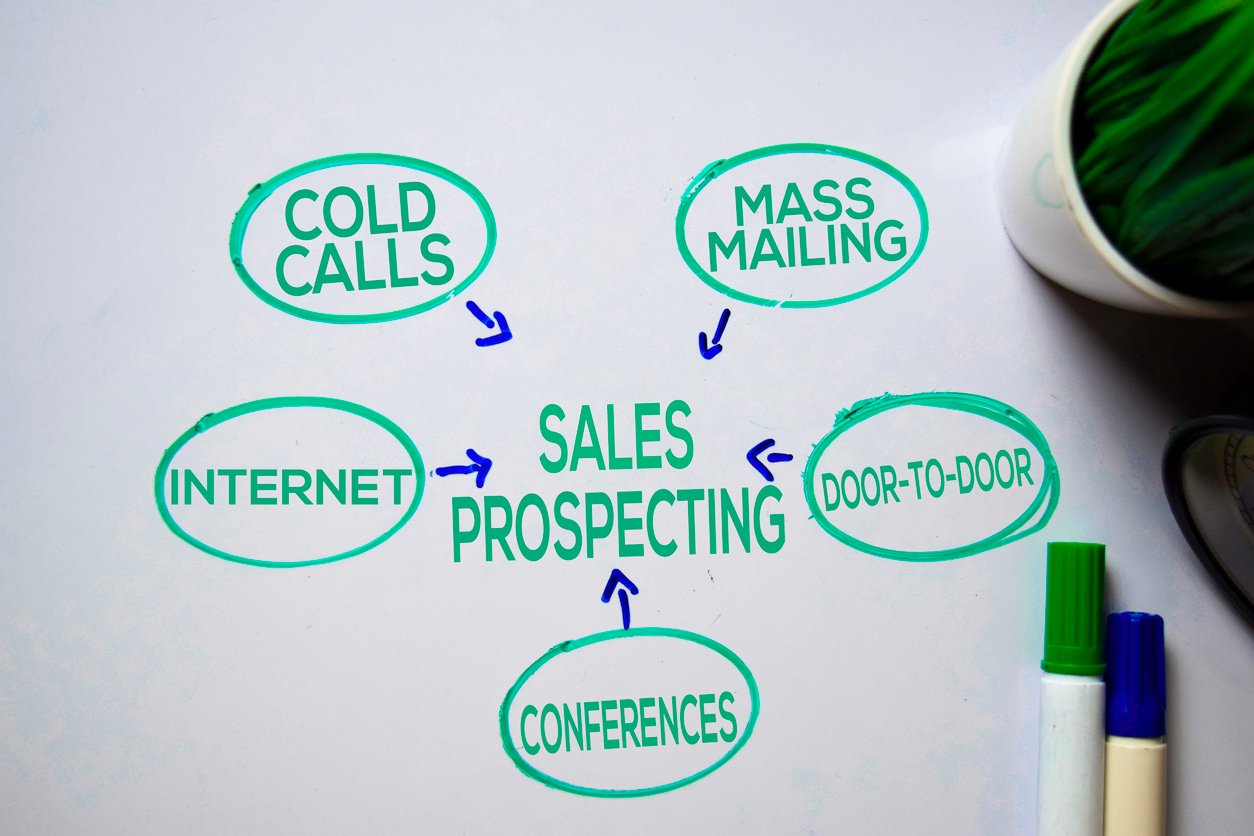
This intelligence is what separates effective sales prospecting from cold outreach that lands in the wrong inbox at the wrong moment.
Synthesize and Create the ICP Worksheet
Bring everything together into a single, shareable ICP worksheet that your sales and marketing teams can reference and act on consistently. It does not need to be long. A one page document covering firmographics, technographics, trigger events, key pain points, and disqualifying factors is more than enough to transform how your team evaluates and prioritizes every lead that enters the funnel.
As Gartner notes in their ICP development framework, the ICP is a foundational, organization-wide decision. Its value compounds when every team — sales, marketing, customer success is working from the same definition rather than their own informal version of it.
Research from Leads at Scale found that by early 2025, 98% of revenue leaders planned to revise their ICPs, with nearly half having already done so — a signal that this is a living document, not a one time exercise.
Leveraging Ringy to Target your ICP

Defining your ICP meaning for sales is the strategic work.
Ringy is where that strategy becomes daily execution across your entire team:
- Segment your pipeline by ICP fit: Using Ringy's filtering tools to surface only the accounts that match your defined criteria across industry, size, location, and other key attributes.
- Build outreach sequences around trigger events and pain points: Your messaging connects with the specific circumstances driving each segment rather than relying on generic templates.
- Monitor pipeline movement by segment: Through Ringy's reporting dashboard to identify which ICP fits are converting fastest and feed that data back into your targeting decisions.
- Automate call and SMS outreach: To maximize contact rates with high fit prospects because reaching the right person at the right time is as important as having the right message ready.
- Revisit and refine your ICP quarterly: Using real pipeline performance data from Ringy rather than assumptions about who your best customers are.
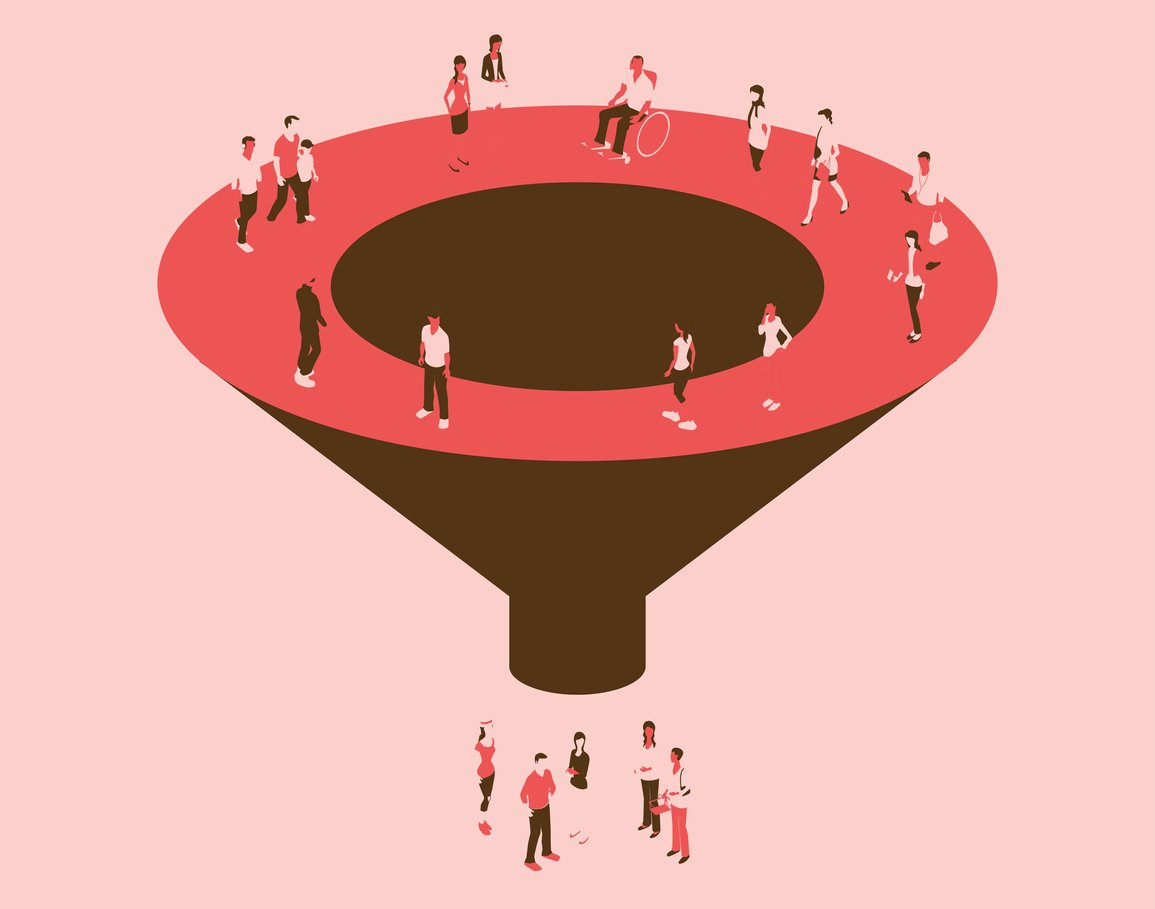
Understanding where ICP driven targeting creates the most leverage inside your sales funnel helps you focus that effort where it counts most at the top, where lead quality determines everything that follows.
The combination of a well defined ICP and purpose built sales software is what separates teams running a repeatable, scalable pipeline from those constantly starting over with a fresh list and a hope for better results.
ICP Template Checklist
Use the table below as a starting framework when building your own ICP worksheet. Populate each row based on your north star customer analysis.
|
ICP attribute |
Questions to answer |
Example |
|
Industry |
Which sectors generate your best customers? |
B2B SaaS, insurance, real estate |
|
Company size |
What headcount and revenue range fits best? |
50 to 500 employees, $5M to $50M revenue |
|
Geography |
Where are your strongest accounts located? |
United States, Canada, English speaking markets |
|
Technology stack |
What tools do they already use? |
CRM, VoIP, marketing automation platform |
|
Trigger events |
What circumstances come before a purchase? |
New sales leader hire, funding round, rapid growth |
|
Pain points |
What problems are they actively trying to solve? |
Low contact rates, poor lead quality, manual follow up |
|
Disqualifying factors |
What makes an account a poor fit? |
Under 10 employees, no dedicated sales function |
Frequently asked questions
What does ICP mean in sales?
ICP meaning sales stands for Ideal Customer Profile. It is a data driven description of the type of company most likely to buy from you, generate strong revenue, and remain a long term customer. It captures the firmographic, technographic, and behavioural attributes of your best fit accounts.
What is the difference between an ICP and a buyer persona?
ICP meaning sales marketing operates at the account level — it defines the ideal company to target. A buyer persona operates at the individual level and describes the decision maker inside that company. Your ICP determines which organisations to pursue. Your buyer persona shapes how you communicate once you are in conversation with someone there.
How often should you update your ICP?
At minimum, review your ICP every quarter. Markets shift, your product evolves, and the profile of your best customers changes with them. By early 2025, nearly half of revenue leaders had already revised their ICPs with another 37% planning to do so before year end. Treat it as a living document, not a set and forget exercise.
How do you know if your ICP is working?
The clearest signals are rising lead to opportunity conversion rates, shorter average sales cycles, and lower churn among recently acquired customers. If your pipeline looks full but conversion is consistently low, your ICP is either too broad or not being applied consistently at the prospecting stage.
Can a business have more than one ICP?
Yes. Most businesses serve more than one valuable segment, and it is entirely appropriate to maintain two or three distinct ICPs representing different high value customer types. The key is to rank them by profitability and strategic fit so your team has a clear priority order when resources are limited.
How does a CRM help with ICP targeting?
A CRM translates your ICP from a document into a live filter applied across every contact, lead, and outreach sequence in your pipeline. It turns a strategic framework into a daily operational reality - which is exactly where most ICP initiatives succeed or fail. Explore Ringy to see how it supports ICP driven sales execution from first contact through to close.
ICP Meaning Sales: Final Thoughts
The five step framework above gives you everything you need to define your ICP from the ground up. Start with your north star customers, document what they have in common, and let that insight drive every targeting decision your team makes from here.
And when you are ready to turn that profile into a pipeline, Ringy is built to make it happen.
Sign up for your free trial and experience the difference!

Skyrocket your sales with the CRM that does it all.
Calling? Check. SMS? Check. Automation and AI? Check. Effortlessly keep in touch with your customers and boost your revenue without limits.

Related Articles