 Updated on
 By Carlos Correa
Table of Contents

A purchase funnel is one of those concepts that sounds overly technical until you realize it's quietly shaping every buying decision you make. From casually scrolling through a product to finally clicking "buy," there's a structured journey behind it, and smart marketers don't leave that journey to chance.
Businesses that understand how the purchase funnel works can guide potential customers with precision, removing friction and nudging decisions at just the right moments. Those that don't? They end up wondering why traffic doesn't convert.
The interesting part is how predictable and optimizable this process actually is once you break it down into clear stages.
Key Takeaways
- Master the Journey: Learn to map the purchase funnel from initial awareness to final sale, ensuring your marketing strategy aligns with the customer's specific psychological needs.
- Speed Wins Sales: Understand why speed-to-lead is vital; responding within five minutes via automation can make you 100x more likely to convert high-intent prospects instantly.
- Industry-Specific Tactics: Discover how the automotive purchase funnel and ecommerce models differ, requiring unique approaches like local presence dialing and automated cart recovery sequences.
- Plug Every Leak: Identify where prospects drop off by auditing your purchase funnel optimization metrics, allowing you to fix high-friction points and increase total ROI.
- Retention is Revenue: Recognize that the customer purchase funnel doesn't end at checkout; post-purchase loyalty and automated nurturing are the keys to long-term profitability.
What Is a Purchase Funnel?
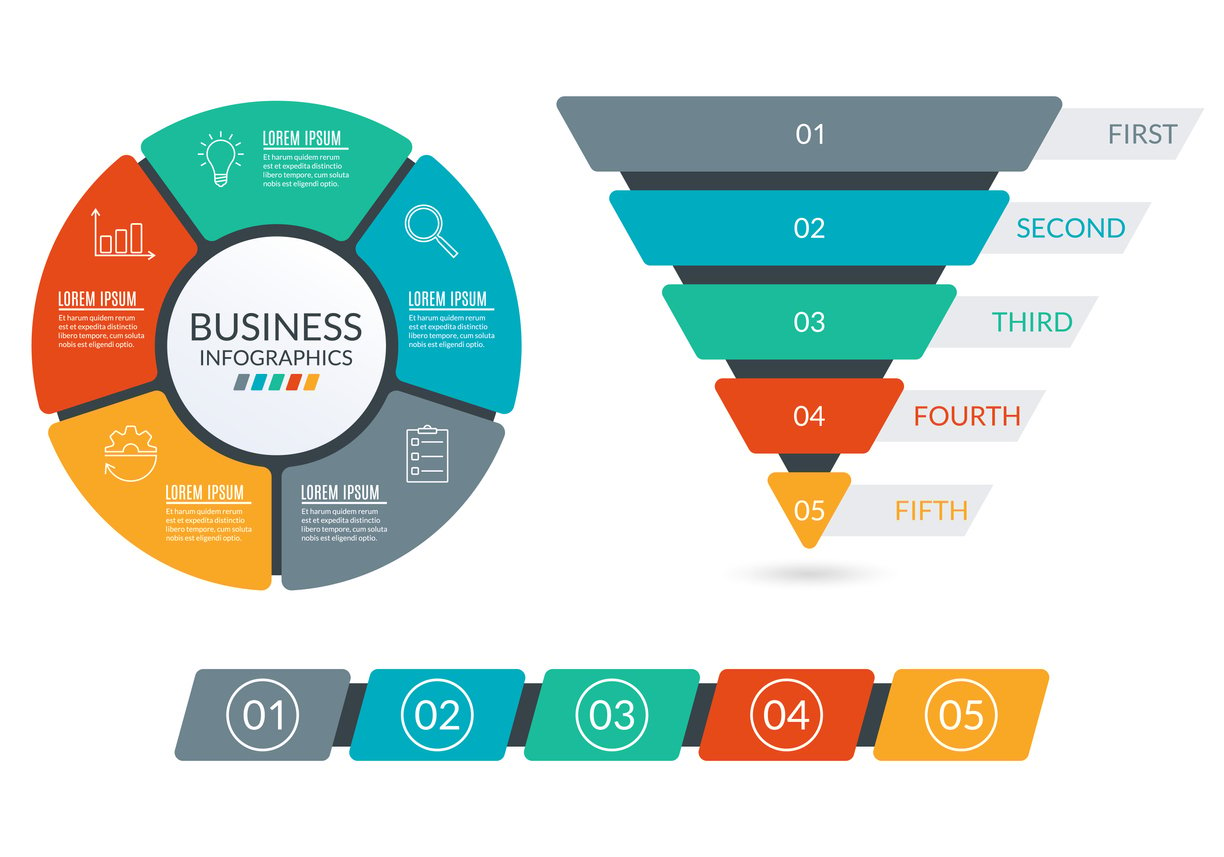
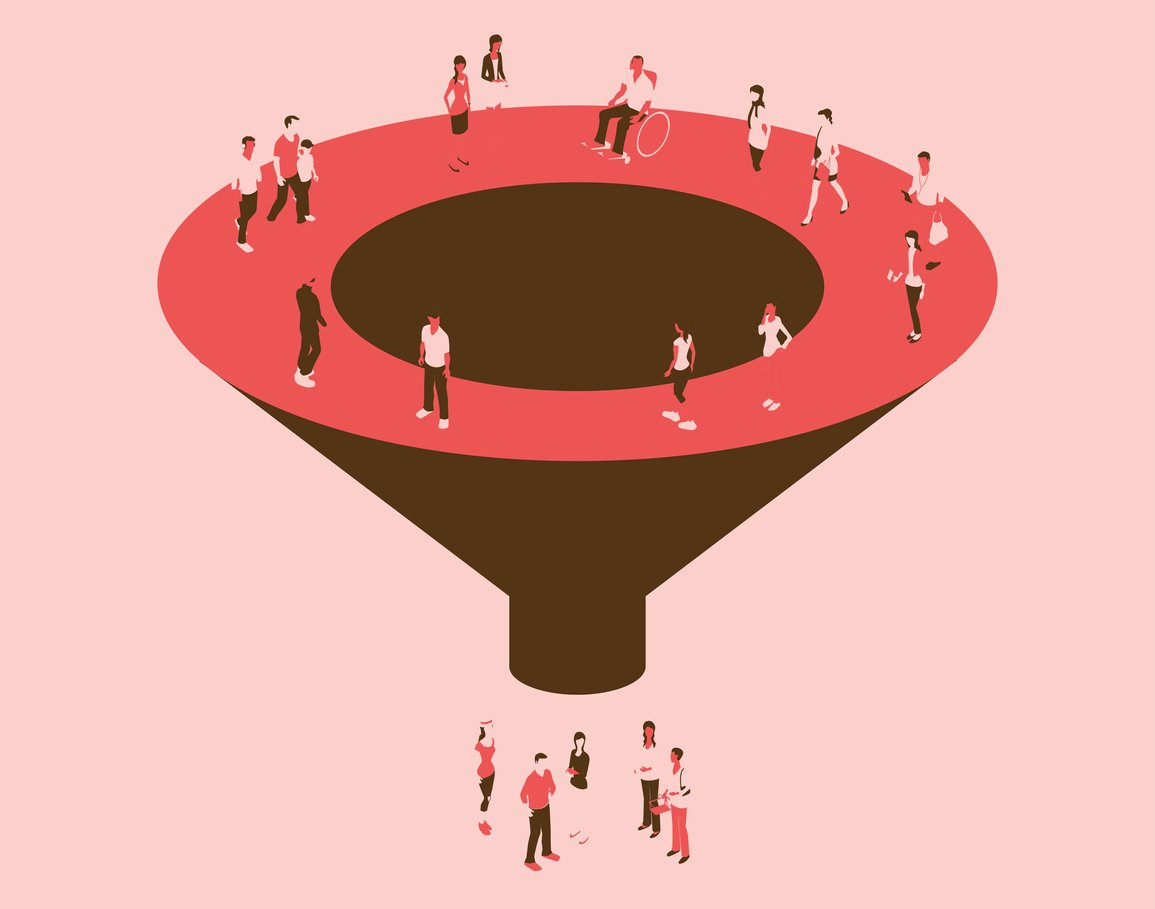
A purchase funnel is a strategic framework that maps the visual journey a prospect takes from their initial brand discovery to the final transaction. It narrows at the bottom because, while many may enter the top through awareness, only a qualified percentage will ultimately convert into paying, loyal customers.
The Purchase Funnel Stages Explained

Every marketing purchase funnel follows a similar structure, even though execution varies by industry. Each stage reflects a shift in customer mindset and a different job for your brand.
To move a lead from one stage to the next, your messaging must evolve alongside their level of intent. If you try to close a sale during the awareness stage, you'll come off as desperate, and if you provide basic "how-to" info during the purchase stage, you'll lose the lead to a more decisive competitor.
1. Awareness
At the top of the sales funnel, prospects realize they have a problem or need. They're not looking for your brand specifically, but they're just trying to understand what's going on.
- Your job is simple: show up. Visibility is everything at this stage of the path-to-purchase funnel.
Common tactics include SEO-driven blog content, social media ads, video content, and word-of-mouth referrals. According to research, 71% of buyers begin their journey with a generic search rather than a branded one, so if you're not present, you're invisible.
2. Interest
Now the prospect is actively researching. They're comparing solutions, consuming content, and narrowing their options.
- Your role shifts from visibility to education and engagement. This is where you start building a relationship within the purchase funnel marketing process.
Effective tactics include in-depth blog posts, comparison guides, email newsletters, webinars, and lead magnets. At this point, prospects are asking: "What are my options?"—and you need to be one of the answers.
3. Consideration
This is where things get competitive. Prospects are evaluating specific providers, weighing pros and cons, and looking for proof.
- Your job: build trust and eliminate objections.
Case studies, testimonials, product demos, and free trials become critical in this stage of the purchase funnel. Research from Gartner shows that B2B buyers spend only 17% of their time meeting with potential suppliers, so your content has to do most of the convincing.
4. Intent
Intent is where prospects start signaling they're ready to buy. They might request a quote, revisit your pricing page, or engage directly with your sales team.
- Your job here is execution. Don't fumble it.
Speed and relevance matter more than ever in this part of the customer purchase funnel. Studies from InsideSales show that responding to a lead within 5 minutes makes you 21x more likely to qualify them compared to waiting 30 minutes. Timely follow-up, automated or manual, can be the difference between winning and losing the deal.
5. Purchase
This is the moment of conversion. The prospect becomes a customer.
- Your job is to remove friction completely.
Simplify checkout processes, reduce unnecessary steps, and provide clear pricing and support. In ecommerce, Baymard Institute reports that 18% of users abandon carts due to overly complicated checkout processes.
6. Loyalty / Retention (Post-Purchase)
Most businesses treat the purchase as the finish line. It's not.
Retention is where profitability compounds. Client acquisition is expensive because acquiring a new customer can cost 5–7 times more than retaining an existing one, according to Harvard Business Review.
- Your job is to nurture relationships, encourage repeat purchases, and turn customers into advocates.
This stage is often overlooked in the consumer purchase funnel, but it's where long-term ROI lives.
Purchase Funnel Stages at a Glance
Here's a look at the purchase funnel stages at a glance.
|
Stage |
Customer Mindset |
Brand Goal |
Example Tactics |
|
Awareness |
"I have a problem, but I'm not sure what the solution is yet." |
Maximize visibility and attract attention |
SEO blog content, social media ads, YouTube videos, influencer mentions, PR, word-of-mouth |
|
Interest |
"I'm exploring options and learning more about possible solutions." |
Educate and engage prospects |
In-depth blog posts, comparison pages, lead magnets, email newsletters, webinars, guides |
|
Consideration |
"I've narrowed my options and I'm comparing specific providers." |
Build trust and remove objections |
Case studies, testimonials, product demos, free trials, FAQs, pricing pages |
|
Intent |
"I'm close to making a decision, I just need a final push." |
Respond quickly and guide decision-making |
Sales calls, automated SMS/email follow-ups, retargeting ads, limited-time offers, consultations |
|
Purchase |
"I'm ready to buy, make this easy for me." |
Eliminate friction and close the sale |
Simplified checkout, multiple payment options, clear CTAs, live chat support |
|
Loyalty |
"Was this worth it, and should I stick with this brand?" |
Increase retention and lifetime value |
Onboarding emails, loyalty programs, upsell/cross-sell campaigns, customer support, surveys |
The Consumer Purchase Funnel vs. the B2B Purchase Funnel

Not all funnels behave the same. A homeowner buying insurance and a VP of Operations evaluating a sales tool like CRM follow completely different paths, even if they technically move through the same purchase funnel stages.
The difference comes down to complexity, risk, and decision-making dynamics.
Consumer Purchase Funnel
The consumer purchase funnel is faster, more emotional, and often driven by immediate needs or desires.
Decisions typically involve one person (or a small household), and the sales cycle can range from minutes to a few days. Emotional triggers, like urgency, convenience, or perceived value, play a major role.
This is especially relevant in industries like insurance, where agents target individual policyholders. Quick comparisons, clear messaging, and strong calls-to-action are key.
B2B Purchase Funnel
The B2B product purchase funnel is slower, more structured, and heavily rational.
Decisions often involve multiple stakeholders, including finance, operations, and leadership, each with different priorities. According to research, the average B2B buying group includes 6–10 decision-makers.
ROI justification becomes the centerpiece. Buyers want data, projections, and proof that the investment makes sense. This is common for agency owners pitching group insurance coverage or recruiters placing agents.
Content needs to go deeper and include:
- Whitepapers
- ROI calculators
- Case studies
- Detailed demos
All of these play a role in moving deals forward.
B2B vs. Consumer Purchase Funnel
Let's look at the differences between B2B vs. Consumer purchase funnels at a glance.
|
Metric |
Consumer (B2C) |
Business (B2B) |
|
Decision Timeline |
Short: minutes to days |
Long: weeks to months (sometimes longer) |
|
# of Stakeholders |
Usually 1–2 (individual or household) |
Multiple (6–10 decision-makers on average, including finance, ops, leadership) |
|
Key Motivators |
Emotional triggers: price, convenience, urgency, brand perception |
Rational drivers: ROI, efficiency, scalability, risk reduction |
|
Best Touchpoints |
Social Media, Email |
LinkedIn, Webinars, Whitepapers |
Industry Variations: Not Every Funnel Looks the Same

While the structure of the purchase funnel remains consistent, how it plays out varies significantly by industry. Different buying behaviors, timelines, and touchpoints reshape the funnel in practice.
The Automotive Purchase Funnel (automotive purchase funnel)
The automotive purchase funnel has shifted dramatically toward digital-first behavior.
Most buyers begin with online research, comparing models, reading reviews, and watching videos, long before stepping onto a dealership lot. According to research, 95% of car buyers use digital sources for information, and many visit only one dealership before making a purchase.
That changes the game.
Dealerships no longer have multiple in-person opportunities to win a customer. The real battle happens before the visit. Follow-up during the research phase becomes critical, miss it, and you're out.
This is where tools like Ringy make a difference. Features like local presence dialing and automated SMS help sales reps stay visible and responsive while prospects are still evaluating options, keeping them top-of-mind before that single dealership visit.
The Ecommerce Purchase Funnel (ecommerce purchase funnel)
The ecommerce purchase funnel is compressed, fast-moving, and often anonymous until checkout.
Customers can move from awareness to purchase in minutes, or disappear just as quickly. The biggest challenge here is abandonment. Industry data shows that over 70% of online shopping carts are abandoned before completion.
The solution lies in automation. Follow-up sequences, reminder emails, and retargeting ads help bring customers back into the funnel. Ringy's Drip Campaigns, for example, allow businesses to trigger timely, personalized follow-ups that re-engage users who didn't complete their purchase the first time.
Purchase Funnel Optimization: Plugging the Leaks
Even the best-designed purchase funnel marketing strategy loses prospects along the way. Optimization is less about perfection, and more about identifying where things break and fixing them systematically.
1. Identify Your Biggest Drop-Off Point First
Trying to optimize every stage at once is a fast way to get nowhere.
Start by analyzing your funnel metrics. Where are prospects dropping off the most? Is it after the first visit? During checkout? After a demo request?
Focus on that single point first. Improving one weak stage often has a ripple effect across the entire purchase decision funnel.
2. Speed Up Your Response Time
Speed is one of the most underestimated factors in conversion. Delays signal disinterest, or worse, give competitors the advantage. Automated SMS follow-ups from Ringy ensure that leads are engaged immediately, even outside business hours.
3. Personalize Without Adding Workload
Personalization drives engagement, but manual personalization doesn't scale.
The solution is structured automation. Use segmentation, merge fields, and behavior-triggered messaging to tailor communication without increasing workload.
For example, a lead who downloads a comparison guide should receive different follow-ups than someone who abandons a cart. This level of targeting strengthens every stage of the purchase funnel stages.
4. Test, Measure, Repeat
Optimization is ongoing.
A/B testing subject lines, call scripts, landing pages, and send times helps identify what actually moves the needle. Small changes can produce outsized results—sometimes increasing conversion rates by double digits.
Tie every test back to measurable outcomes. Data, not assumptions, should guide how you refine your purchase funnel optimization strategy over time.
Conclusion: Ringy Helps You Optimize Every Stage of the Purchase Funnel

Managing a high-performing purchase funnel requires a tech stack that works as hard as you do. We've covered how the journey shifts from initial awareness to long-term loyalty, and how distinct industries, from automotive to B2B, require tailored strategies to prevent lead decay. If you aren't optimizing every touchpoint, you're leaving revenue on the table.
Ringy acts as your 24/7 virtual assistant, plugging the leaks in your marketing purchase funnel with surgical precision. Use local presence dialing to skyrocket your answer rates, and deploy automated SMS and email drip campaigns to nurture leads who aren't quite ready to commit.
With our stage-based pipeline, you gain total visibility into your customer purchase funnel, ensuring no one falls through the cracks. Plus, our world-class onboarding is included at no extra charge.
If you're serious about purchase funnel optimization, it's time to upgrade your process. Book a free Ringy demo today.

Skyrocket your sales with the CRM that does it all.
Calling? Check. SMS? Check. Automation and AI? Check. Effortlessly keep in touch with your customers and boost your revenue without limits.

Related Articles